Industry news
Vacuum Toilet Technology: Advancing the Toilet Revolution in High‑Altitude Scenic Areas
Vacuum Toilet Technology: Advancing the Toilet Revolution in High‑Altitude Scenic Areas
At 5,200 metres above sea level, the Everest Base Camp is a revered snowy sanctuary, yet its harsh natural conditions create major obstacles for public‑health infrastructure. Low temperatures, oxygen deprivation, permafrost and logistical constraints have long presented tough challenges for on‑site sanitation, with inadequate toilet facilities standing out as a persistent pain point for ecological conservation and visitor experience.
Only two permanent public toilets have been built at the base camp, as permanent construction is largely forbidden across the rest of the site. Temperatures regularly drop below ‑10 °C, causing water pipes in conventional flush toilets to freeze and rupture, rendering them inoperable. In the past, water‑less dry latrines and biodegradable toilets served the area. During peak tourist seasons, surging visitor numbers overwhelm existing capacity. Long queues, limited stalls and the absence of flushing functions compound sanitation pressures. Extreme high‑altitude conditions further complicate maintenance, raising risks of waste leakage and odour pollution. Upgraded sanitation solutions that respect both local ecosystems and human needs have become an urgent priority.
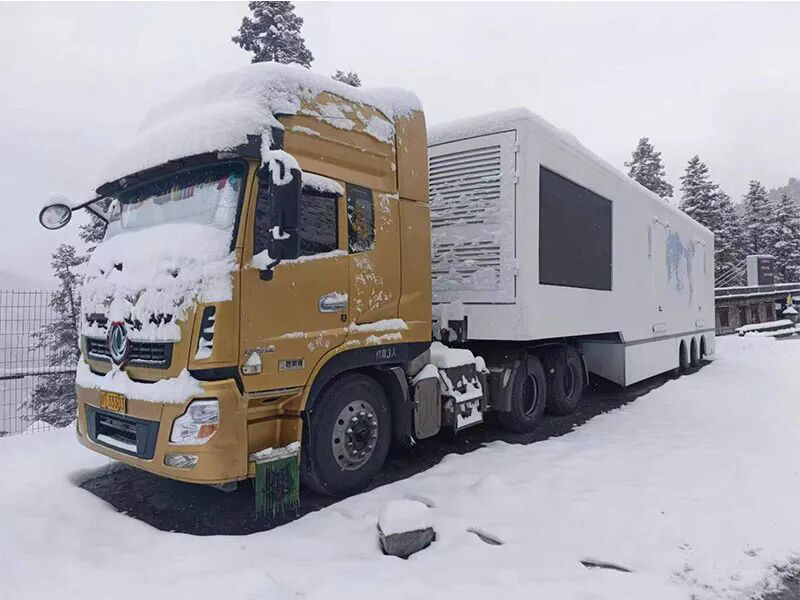
To address these extreme operating conditions, modular trailer‑mounted vacuum toilet systems have been piloted at Everest Base Camp, offering a new technical approach for sanitation in high‑altitude polar‑like environments. Centred on vacuum negative‑pressure sewage‑transport technology, the system abandons the gravity‑driven, water‑intensive principles of conventional toilets.
In terms of water‑saving and cold‑resistance performance, vacuum toilets cut water consumption by more than 95 % and reduce overall energy use by over 70 % compared with standard flush toilets. Waste is conveyed pneumatically under negative pressure rather than by gravity‑driven water flow, fundamentally eliminating pipe‑freezing failures caused by frigid weather. The equipment operates reliably year‑round at 5,200 m, where oxygen levels are less than 40 % of those at sea level.
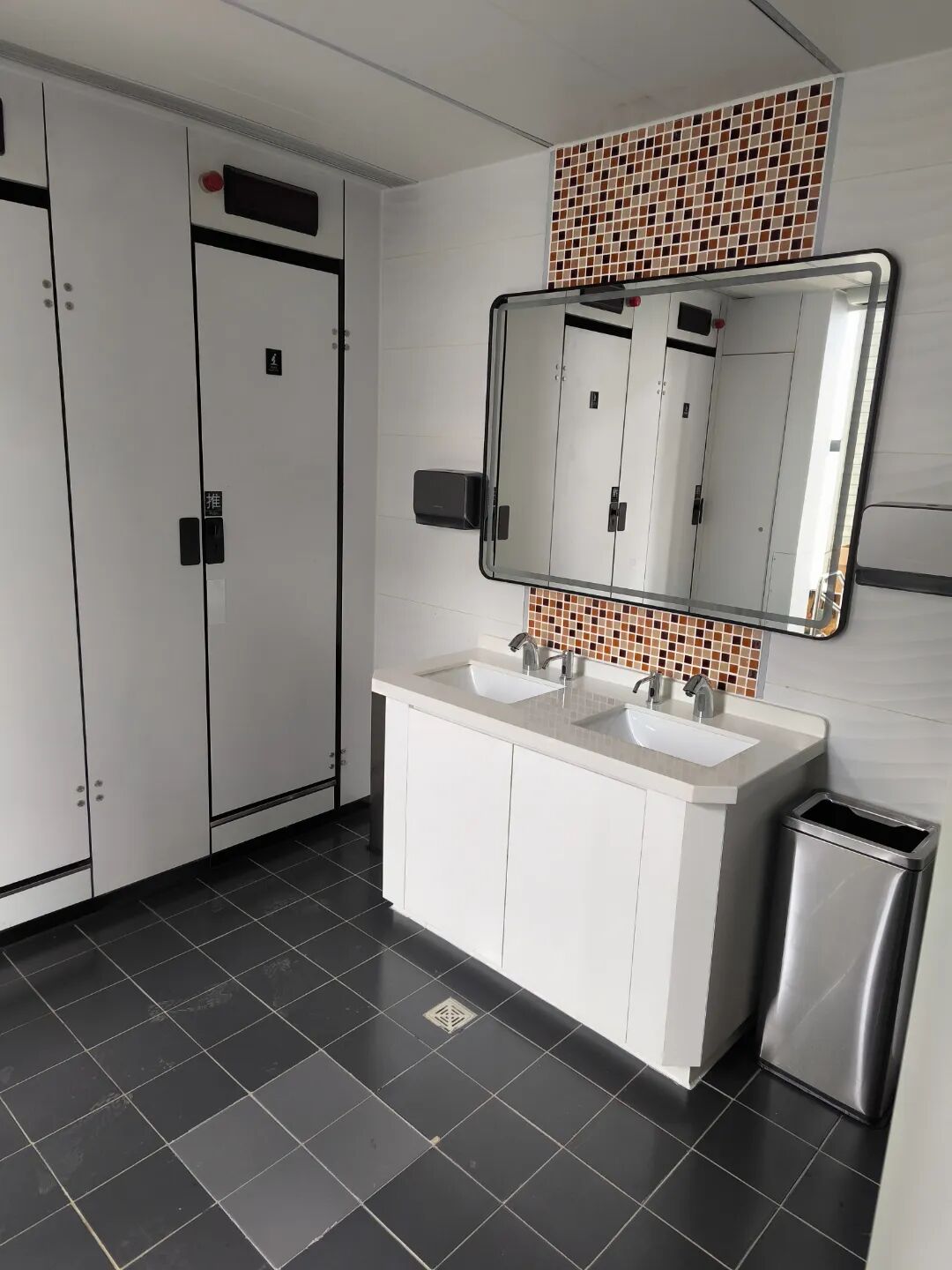
For ecological protection, fully‑enclosed waste‑holding tanks are paired with nano‑scale air‑purification modules. Waste is contained throughout the whole process with zero odour dispersion, minimising disturbance to Everest’s fragile native environment and safeguarding the pristine high‑land ecosystem.
The trailer‑based modular design allows flexible repositioning within the camp. Under special circumstances, the units can run around‑the‑clock without external water or power supplies. No civil‑engineering work is required, so permafrost remains undamaged amid Everest’s volatile weather.
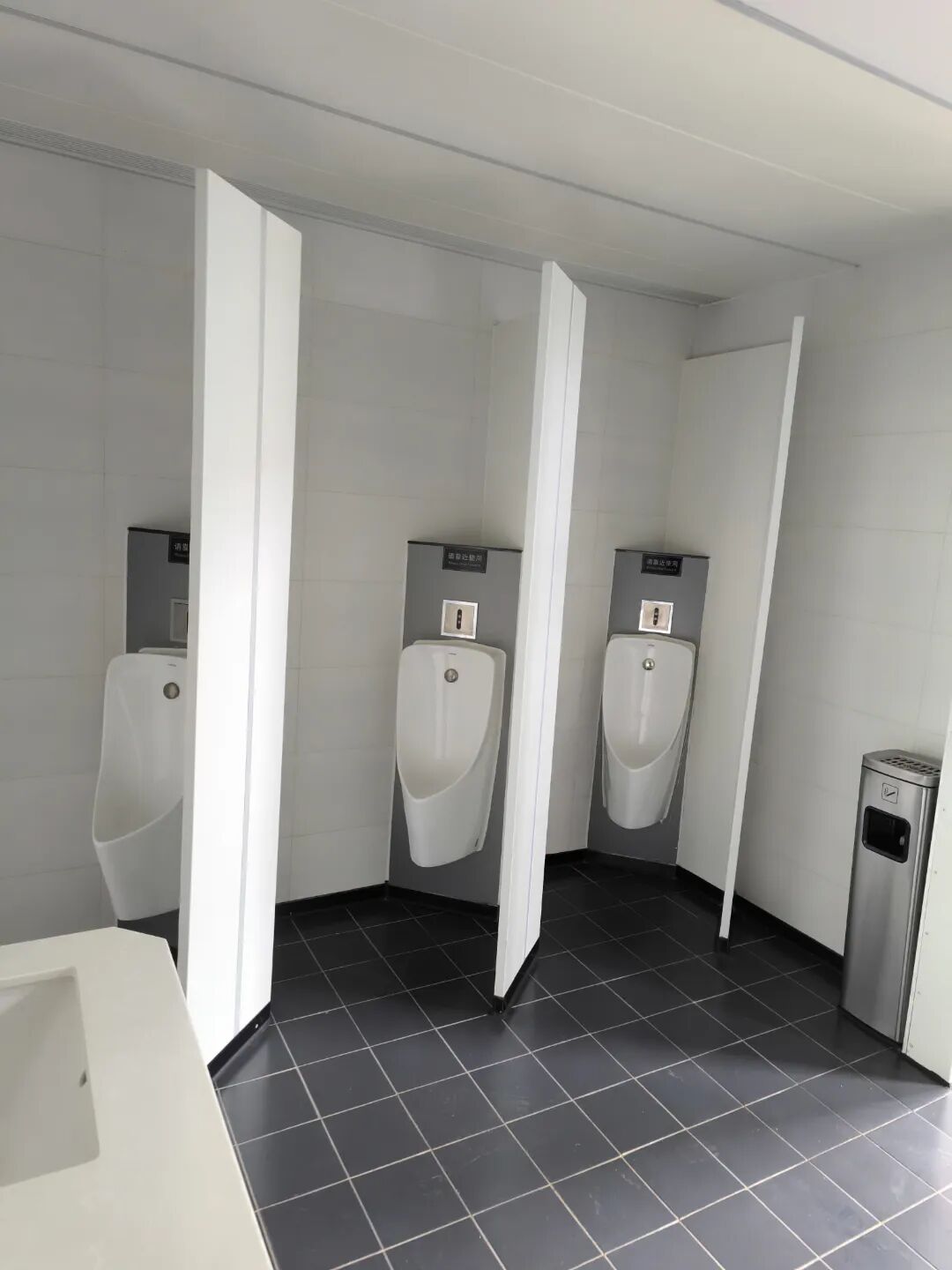
Sanitation‑facility selection for high‑altitude protected scenic spots poses a global challenge, complicated by high construction costs, freeze‑thaw damage, difficult maintenance and waste‑disposal risks. The pilot deployment of vacuum‑sanitation equipment at Everest Base Camp subjects the technology to rigorous real‑world testing under ultra‑high‑altitude, low‑oxygen and frigid conditions. Field validation has previously been completed at multiple high‑altitude sites including Jade Dragon Snow Mountain, Mugecuo, Jiuzhaigou and Kazila Mountain.
This Everest trial provides a replicable environmental reference for public‑facility construction in mountain reserves and polar‑analogue regions worldwide, balancing basic human hygiene needs with strict control over waste generated by human activities in fragile snow‑mountain zones.
Products Category
Latest News
CONTACT US
Name:
Mobile:+86-13222235952
Tel:+86-13222235952
Email:sales@to-rail.com
Add:Room B1701, Building 4, Dongfang Xintiandi, Yangshe Town, Zhangiiagang City, Suzhou City. Jiangsu Province, China, Zipcode:215617